This 3 Days Tanzania Sharing Safari offers the perfect introduction to the country’s world-famous wildlife, landscapes, and warm culture without the hefty price tag. Designed for adventurous souls, backpackers, or even curious families looking to maximize experience and minimize costs, a shared safari brings strangers together on an unforgettable journey. Whether you’re watching lions in the Serengeti or sipping coffee at the Ngorongoro Crater rim, this itinerary packs more wonder into three days than many get in a week.
The first rays of sunlight gently spill over the eastern horizon as you leave Arusha behind. The roads grow quieter, and soon, bustling city life is replaced with rural scenes: rolling hills, traditional Maasai herders walking with their cattle, and small villages slowly waking up. There’s an unmistakable excitement among your group. Most have just met, but within minutes, stories begin to flow shared expectations, nervous giggles, and the common hope to see a lion in the wild.
As your safari vehicle turns off the main highway and onto the red earth leading toward Tarangire National Park, a sense of anticipation settles over everyone. Tarangire is a hidden gem, often overshadowed by its more famous siblings Serengeti and Ngorongoro. But the moment you pass through its gates, you understand why it’s loved by seasoned safari-goers. Towering baobab trees, like something out of a storybook, dot the landscape. Elephant herds sometimes as large as 300 roam freely, often crossing right in front of your vehicle.
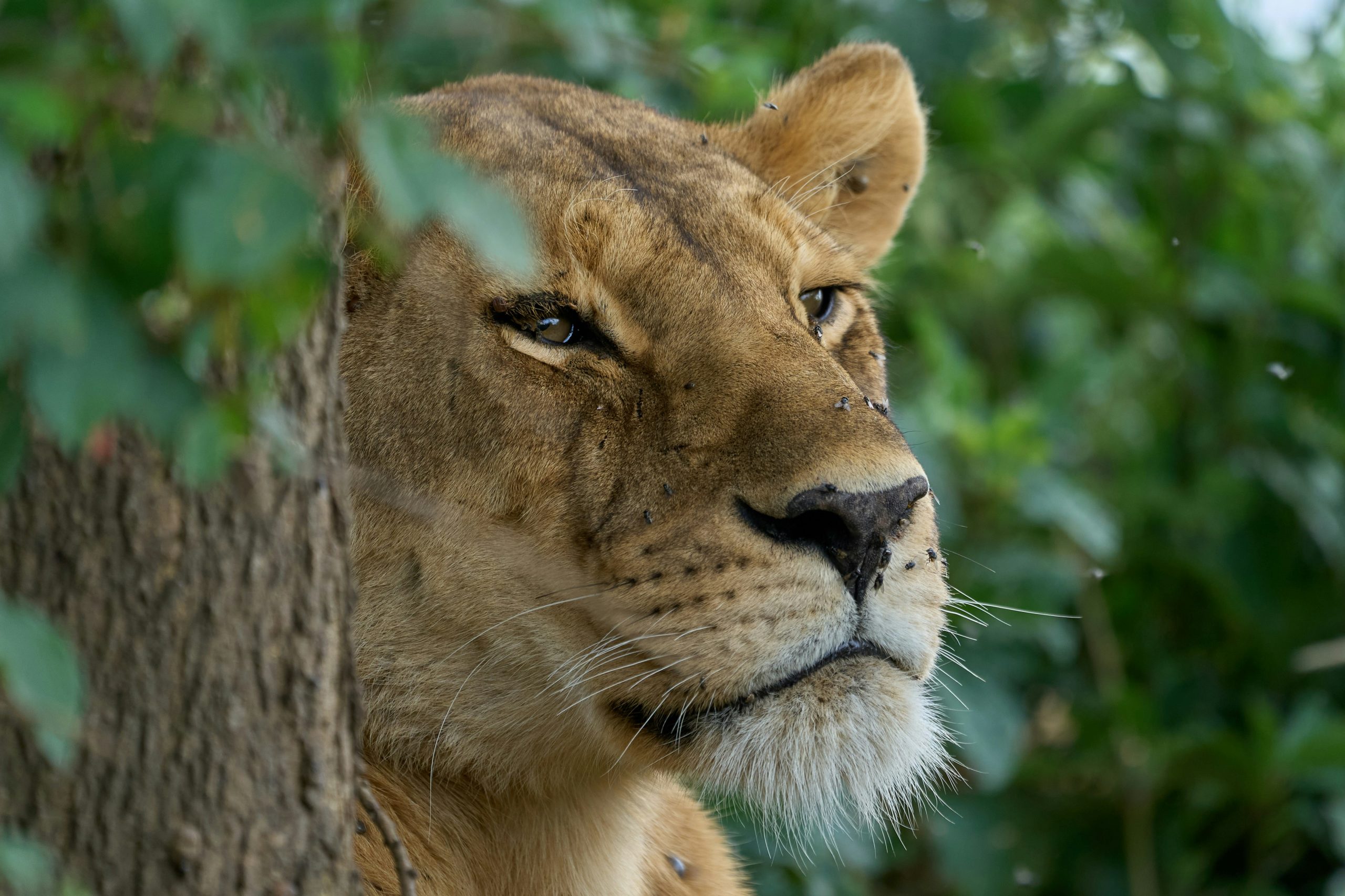
You cruise slowly along winding tracks, guided by an expert driver-guide whose eyes miss nothing. A lioness lounging under the shade of a shrub. A family of warthogs dashing through the brush. A tower of giraffes nibbling acacia leaves. It’s your first real taste of the wild, and it’s intoxicating.
By midday, the vehicle pulls into a shaded picnic area. The smell of grilled chicken and fresh fruit mixes with the dry, grassy aroma of the park. You eat with one eye always scanning the surroundings, never knowing what might wander into view.
As the afternoon deepens, you continue your game drive, catching the soft golden light that transforms the park into something dreamlike. As the sun begins its descent, you leave Tarangire behind and head toward the peaceful town of Mto wa Mbu or the Karatu region. It’s here you’ll spend the night in a cozy lodge or camp, nestled among banana plantations and forested slopes. Dinner is hearty and satisfying, served around a campfire or in a warm dining room, and after the long day, everyone falls asleep to the sound of insects, owls, and the distant cough of a leopard.
Day two offers a striking contrast in scenery and wildlife. After breakfast, you travel a short distance to Lake Manyara National Park, a lush emerald oasis nestled at the base of the Great Rift Valley escarpment. It’s a relatively compact park, but what it lacks in size, it more than makes up for in diversity.
As you enter the park, you’re immediately enveloped by dense forest fig trees, mahoganies, and wild palms form a thick canopy that pulses with life. Blue monkeys swing from branches, and bushbucks dart through the underbrush. The drive is slower here, more immersive. This forest is home to the elusive tree-climbing lions, a phenomenon unique to Manyara and few other places on Earth.
Gradually, the forest opens up into grassy floodplains, then marshland, and finally, the lake itself a shimmering expanse that stretches into the horizon. Flamingos flock in the thousands, painting the water pink with their feathers. Hippos wallow near the edges, only their eyes visible above the waterline. In the distance, pelicans and storks glide across the lake's surface.
You pause near the hot springs, known as Maji Moto, where the geothermal activity beneath the Rift Valley can be seen bubbling to the surface. Here, you'll have another picnic lunch, complete with panoramic lake views and the soft murmur of wildlife in every direction.
The afternoon offers more animal sightings wildebeests grazing, giraffes moving in elegant slow motion, and troops of baboons dominating the open plains with their loud, social antics. Lake Manyara may be smaller than other parks, but it’s an intimate glimpse into Tanzania’s biodiversity.
By late afternoon, you return to your lodge in Karatu. With time before dinner, you may explore the local markets, interact with locals, or simply relax with a cool drink while watching the sunset cast golden shadows over the highlands. The second night feels warmer familiar faces, shared memories, and an eager anticipation for what tomorrow brings.
The third day begins before the sun even touches the horizon. You depart your lodge in the dim blue of dawn, climbing into the cool highlands of Ngorongoro. As the vehicle ascends the crater rim, mists swirl through ancient forests and the temperature drops. You pause at a viewpoint, stepping out into the chilly morning air. And there it is Ngorongoro Crater. A vast, prehistoric bowl carved by volcanic fury, now a lush paradise teeming with life.
Your descent into the crater is something you’ll never forget. As the vehicle winds its way down the steep path, the scenery opens into sprawling grasslands framed by crater walls rising like cliffs around you. Within minutes, wildlife appears. Massive herds of buffalo graze calmly, their breath rising in clouds. Hyenas scurry between bushes, always alert. Warthogs, tails stiff and straight, trot confidently across the road.
Ngorongoro is one of the few places where you have a real chance of spotting all of the Big Five in a single day—including the endangered black rhino. Your guide expertly traces their last known movements, communicating with other drivers by radio to increase your chances.
A highlight comes near Lake Magadi, where flamingos crowd the shoreline and hippos grunt in the deeper waters. It’s also here, beside a shaded picnic area, where you enjoy your final safari lunch. You eat with a view few will ever witness lions in the distance, zebras on the move, and crowned cranes pecking at the grass just meters away.
The afternoon brings one last game circuit. Perhaps you spot a cheetah perched on a rise or an elephant slowly making its way through the fever trees. Eventually, the time comes to climb back up to the crater rim, and with a last glance into the wildlife haven below, you begin your journey back to Arusha.
The drive back is a mix of chatter and quiet reflection. The group, once strangers, now feels like a small tribe bound by a shared adventure through the wild heart of Africa. As the city lights of Arusha twinkle in the distance, you realize that while the safari has ended, the experience has left its mark. The dust may wash off, but the memories never will.
Know more About Tanzania Sharing Safari
Yes, absolutely! A 3 day safari can deliver an incredibly fulfilling experience—especially with a well-planned route like Tarangire, Lake Manyara, and Ngorongoro Crater. Each park offers something unique: Tarangire has massive elephant herds and ancient baobab trees, Lake Manyara brings lush forests and flamingos, and Ngorongoro offers a chance to see the Big Five in one day. You won’t see everything, but you’ll see enough to fall in love with Africa’s wildlife and landscapes
A sharing safari means you join a group of other travelers (often 4 to 7 people) in one safari vehicle, sharing the cost of transport, guides, and sometimes accommodation. It’s a popular choice for solo travelers, couples, and even small groups looking to save money and meet new people. You still get guided game drives, quality lodging or camping, and the same chance to see wildlife just with added camaraderie.
That depends on your chosen package budget, mid-range, or luxury. Budget safaris usually include basic but clean and safe lodges or tented camps with shared bathrooms and communal dining. Mid-range options offer private en-suite rooms and upgraded amenities. No matter the level, all places are located close to or within the parks to maximize your time with wildlife.
Most packages are all-inclusive once the safari starts. That means:
- Park entry fees for all three destinations
- Transport in a 4×4 vehicle with an English-speaking driver/guide
- Accommodation (lodge or camping based on preference)
- All meals during the safari (usually breakfast, lunch, and dinner)
- Bottled water throughout the trip
Not included are international flights, visas, alcohol, snacks, tips, and personal expenses like souvenirs.