Trip Overview
The nine-day Northern Circuit Route is a longer way to experience Mount Kilimanjaro, with time to travel across the western plateau and around the remote northern slopes before the summit attempt. The journey begins in forest, rises through heath and moorland, crosses the Shira Plateau and continues into the stark alpine environment of the high mountain. The extended schedule provides additional time on the route compared with shorter options, which can support a more measured walking rhythm and acclimatization plan; it does not remove altitude risk or guarantee reaching the summit. Camps, daily distances and the final summit schedule depend on the confirmed operator itinerary and mountain conditions. Trekkers should be prepared for cold temperatures, wind, sun exposure, dusty paths and demanding elevation changes. Guides provide route leadership and monitor the group, while climbers should maintain hydration, eat regularly and report symptoms immediately. This experience suits people seeking a longer, scenic climb who value steady progress and understand the physical demands of high-altitude trekking.
Your Day-by-Day Itinerary
Day 1
Londorossi Gate to Mti Mkubwa Camp
Meet the team, complete park registration at Londorossi Gate and travel to the Lemosho trailhead as permitted by road conditions. The first walk passes through montane forest, with damp soil, roots and shaded vegetation underfoot. Keep your pace comfortable and use the guide’s breaks to drink water and adjust clothing. At Mti Mkubwa Camp, the crew will show you the camp area, serve the planned meal and brief you on the next day.
Day 2
Mti Mkubwa Camp to Shira 1 Camp
Continue uphill as the forest gives way to heath and moorland, bringing more open views and cooler conditions. The route can be uneven, and rain may make some sections slippery, so wear suitable footwear and keep waterproofs available. Walk at the pace set by the guide rather than trying to save time. Arrive at Shira 1 Camp, eat, hydrate and rest while the crew prepares the camp for the night.
Day 3
Shira 1 Camp to Shira 2 Camp
Walk across the Shira Plateau, where the landscape broadens into high moorland and volcanic ground. On clear days, the route gives views toward Kilimanjaro’s higher slopes, though clouds can cover the mountain quickly. Even moderate walking may feel harder at this altitude, so take regular breaks and tell your guide if symptoms develop. Settle into Shira 2 Camp, keep warm after sunset and prepare for a gradual move toward the northern circuit.
Day 4
Shira 2 Camp to Moir Hut
Leave the main plateau route and trek toward Moir Hut through increasingly rugged, open terrain. The path offers a sense of remoteness and broad views when visibility is good, but exposure to wind and sun can be significant. Maintain a steady rhythm and avoid unnecessary exertion while your body adjusts to the elevation. At camp, have the planned meal, drink regularly and use the guide’s briefing to understand the next day’s distance and conditions.
Day 5
Acclimatization walk near Moir Hut
Take a guided acclimatization walk in the Moir Hut area following the route chosen by your mountain guide. The goal is controlled time on the trail with a return to camp, not speed or distance for its own sake. Conditions can be cold, windy and exposed, so carry warm layers and sun protection. Your guide will check how everyone feels and may shorten or change the walk if needed. Return to camp for food, hydration and recovery.
Day 6
Moir Hut to Buffalo Camp
Continue around the northern side of Kilimanjaro across open high-altitude slopes. The terrain rises and falls gently in places, and the landscape can feel vast and quiet compared with the busier southern trails. Keep your group’s pace, use rest stops and watch for signs of altitude-related illness. At Buffalo Camp, take time to eat and recover; the guide will assess the group and explain the next section before everyone settles for the night.
Day 7
Buffalo Camp to Third Cave Camp
Follow the northern circuit over remote moorland and rocky ground, with views across the northern plains when weather permits. Wind, sun and altitude can be tiring even when the trail is not steep, so protect exposed skin and drink water regularly. The guide will keep the group together and adjust breaks as needed. On arrival at Third Cave Camp, enjoy the meal, check your layers and prepare for the approach to the upper mountain.
Day 8
Third Cave Camp to School Hut
Trek toward School Hut as the route approaches the summit zone. Vegetation becomes sparse and the path is increasingly rocky, with colder conditions and thinner air. Keep the pace deliberately slow, follow the guide’s instructions and report any symptoms rather than hiding them. At School Hut, eat early, arrange the clothing and headlamp needed for the night, and listen to the full summit briefing. Rest is important, even if altitude makes sleep difficult.
Day 9
School Hut to Uhuru Peak and descent
Set off for the summit attempt during the night, following the guide over cold, steep high-altitude terrain toward the crater rim and Uhuru Peak if health and weather permit. The guide’s safety decision takes priority, and no summit outcome can be guaranteed. After the attempt, descend along the scheduled route to the designated camp, taking care on loose ground and conserving energy. Eat, hydrate and rest after the long day.
$0
/ Adult
Need help? Contact us →
Explore More Adventures
Discover other amazing trips in the region
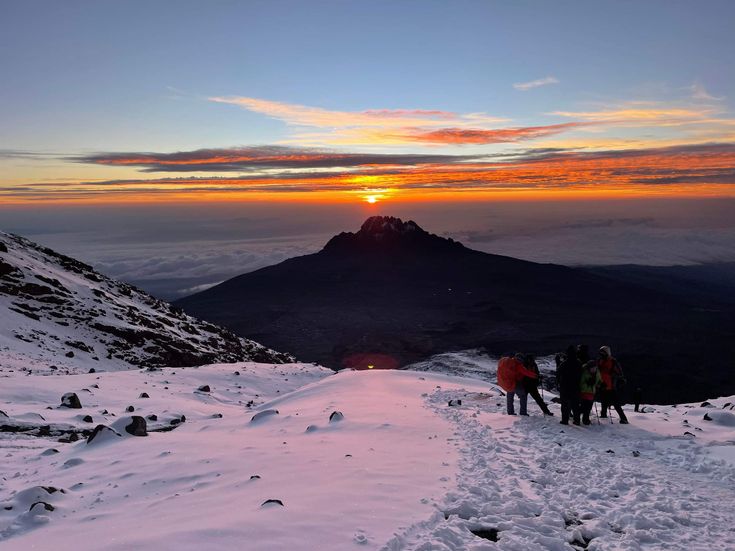
Kilimanjaro 6 Days Marangu Route Climb
$1,650 / person
Book
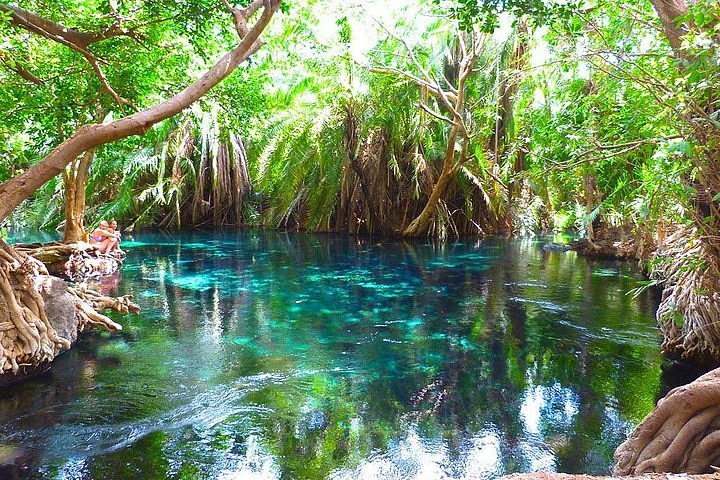
Chemka Hot Springs Day Trip from Moshi, Tanzania
$120 / person
Book
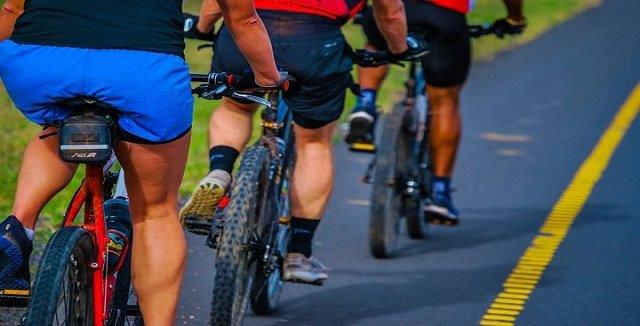
Moshi Cycling Tour: Explore the Countryside by Bike
$150 / person
Book