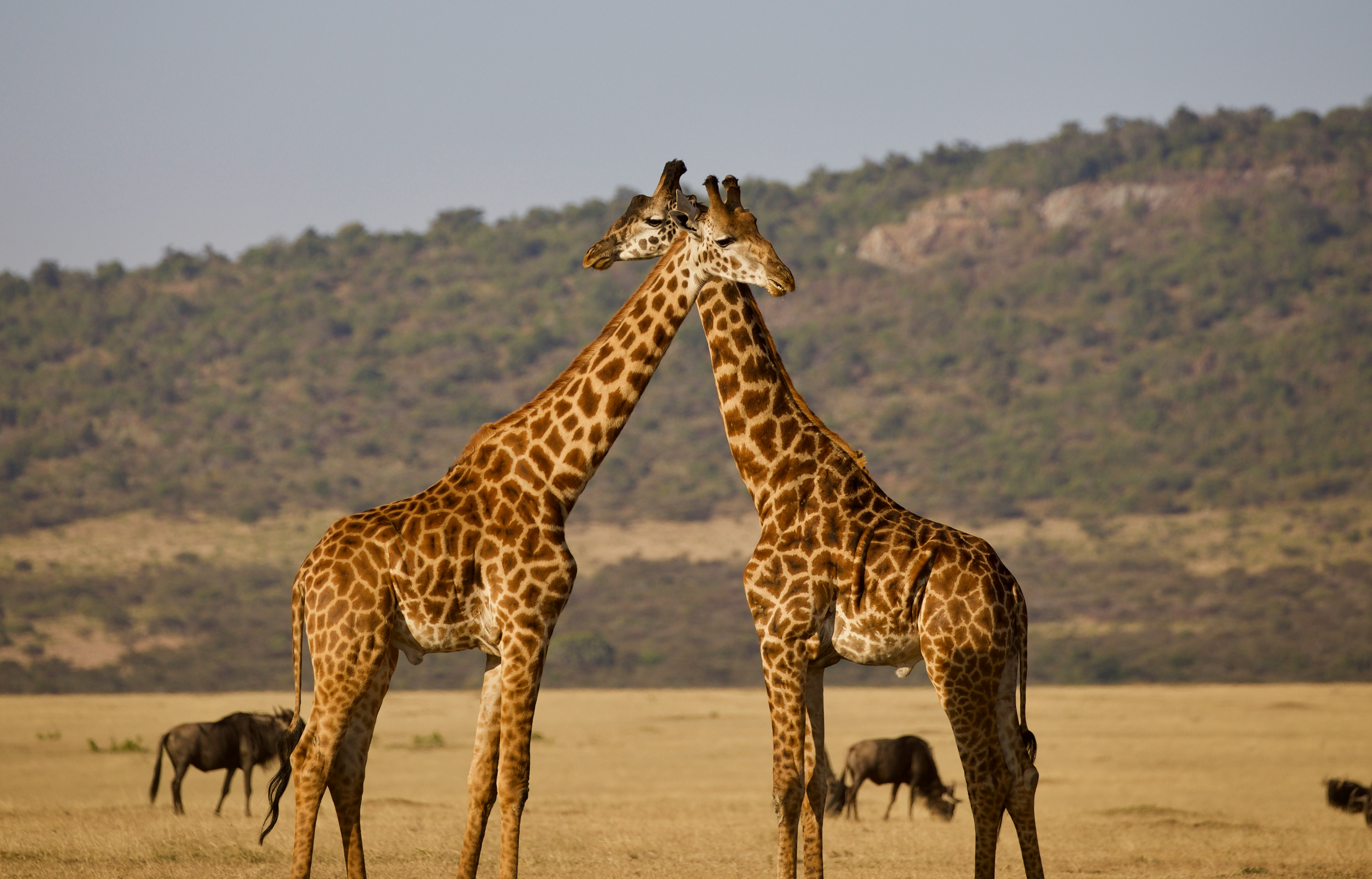
What Is the Big Five Safari in Tanzania?
Understand the Big Five, which parks may offer sightings and why wildlife sightings always depend on nature.
Understand the Big Five, which parks may offer sightings and why wildlife sightings always depend on nature. Tanzania offers a wide range of landscapes and experiences, from open savannah and wildlife-rich national parks to forests, volcanic scenery, local culture and Indian Ocean beaches. A successful itinerary is built around the season, travel time, accommodation style and the experiences that matter most to you.
What Is the Big Five Safari in Tanzania?
Understand the Big Five, which parks may offer sightings and why wildlife sightings always depend on nature. The best decisions come from matching expectations with the real conditions on the ground. Build flexibility into your plan and ask practical questions before confirming arrangements.
Choose the right season and area
Wildlife and weather vary through the year. The dry months often make wildlife easier to spot in many areas, while greener months can bring beautiful landscapes, birdlife and fewer visitors in some places. Migration movements follow rainfall and grazing, so dates should guide your choice of region rather than relying on a guaranteed animal sighting.
Allow enough time on the ground
A good itinerary balances travel between destinations with time to enjoy each place. Driving distances can be longer than they appear on a map, and road conditions, park entry procedures and wildlife sightings can affect the day. Avoid adding too many parks to a short trip simply to increase the number of names on the schedule.
Budget and accommodation choices
The overall price depends on travel dates, group size, accommodation category, park fees, vehicle and guide services, meals and transfers. Camping, tented camps and lodges provide different levels of comfort and atmosphere. When comparing quotes, review the full inclusions and exclusions rather than comparing headline prices alone.
What to prepare before departure
Share your arrival and departure details with your operator and check passport, visa and travel-document requirements through official sources. Ask a qualified travel-health professional about health precautions well before departure. Pack comfortable neutral-coloured clothing, sun protection, a reusable water bottle, personal medication and any camera or binocular equipment you plan to use.
Frequently asked questions
Can the itinerary be customised? Often, yes, depending on dates, accommodation availability and budget. Are wildlife sightings guaranteed? No; animals move freely and sightings depend on natural conditions. What should a quote include? Request a written breakdown covering transport, accommodation, meals, park fees, guide services, transfers and any optional activities.
Practical planning checklist
- Confirm dates, number of travellers and the experience you most want.
- Request a written day-by-day itinerary and a clear list of inclusions.
- Check travel documents, relevant health advice and insurance requirements.
- Pack for changing conditions and keep essential items in your day bag.
- Choose a realistic pace and leave time for delays or rest where possible.
Final advice
There is no single plan that suits every traveller. Share your travel dates, group size, budget range and preferred comfort level when requesting recommendations. For mountain trips, prioritise acclimatisation and safety; for safaris, prioritise realistic driving times, suitable park locations and enough time for wildlife viewing. A transparent itinerary helps you understand what you are paying for and makes it easier to compare options confidently.
Before making a final decision, ask for any important details in writing and keep a copy of the itinerary and payment terms. Good planning does not guarantee perfect weather or particular wildlife sightings, but it helps you make informed choices and enjoy the experience with realistic expectations.